
How to choose a good architect
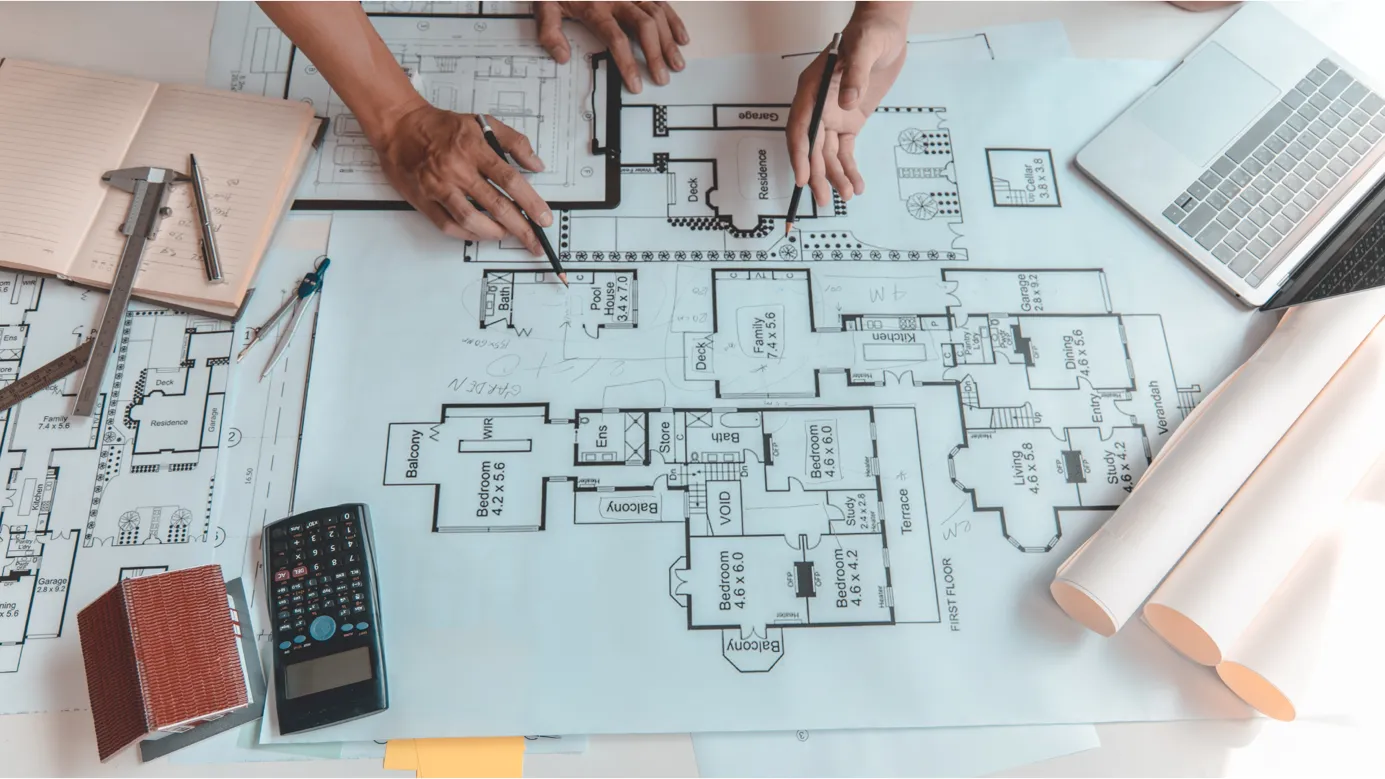
I want a hassle-free renovation, so I'll hire an architect. But not all architects are created equal – for the same money you can get work of very different quality. Here are the 5 main requirements you should insist on.
1. A design that is well executed, both visually and technically
There are still architects who use outdated software, and you'll struggle to actually build anything from their final design. Always check on the architect's website what their finished designs look like. Then compare them with the completed projects themselves. A good studio is always proud to show off its work, so you'll find plenty of projects on its website.
Don't underestimate the technical part of the design either. If you were to take on the build yourself, your builders need to know exactly where everything goes. Nothing beats the feeling of going to plug in your TV and discovering that nobody designed a socket for it.
Granted, it's all only on paper and many things can still be changed. But a quality design will save you a great deal of time and stress.
2. Understanding your requirements
The ability to listen and understand is key for an architect. Imagine going to a financial adviser to arrange a mortgage for a flat. A month later they call you to ask when you're coming in to sign that consumer loan for your car. With some architects, this sort of thing happens all the time.
At the very first meeting, make it clear what kind of flat you're renovating. Will you be living there? Fine, then let's go for better furniture and some nice extras. Will the flat be rented out? OK, let's invest in quality sanitaryware and flooring, but the furniture doesn't have to be by Giorgetti.
If you've been repeating for six months that the flat is for letting, the last thing you want at the fifth meeting is a question like: Why aren't you investing in XY? After all, you'll be living there. Or for someone to design, in a 3-room flat, a washing-machine space that would only fit a toy one from the Dráčik toy shop. Unless your future tenant is one of the seven dwarfs, you have a problem.
3. A well-set budget that is strictly adhered to
Before you hammer in the first nail, you need to have a budget in place. Right at the start, agree with the architect on which materials and extras you want. Of course, new items will crop up during the renovation, especially in older flats. Even so, the deviation from the planned budget should not exceed 10%.
The architect should always be on your side. That means negotiating lower prices with suppliers, or at least getting one competing quote.
However, there are architects who see you not as a client but as a cash cow, or some other horned beast out to pasture. You'll notice it from inflated quotes from suppliers or a budget that keeps on rising. They know full well how hard it is to start over with a new supplier or builder halfway through the works.
An example of the right approach – you go to a showroom with the architect to choose flooring and doors. The staff explain the pros and cons and tell you the prices and the differences. The architect advises you on what will suit your flat best. Then you make the decision.
An example of the wrong approach – the architect doesn't reply to your emails and questions for weeks. Then they call you to say the lads have already started laying the floor at your place. You have no idea where it came from or why it cost so much. They can't explain why they didn't buy a similar floor elsewhere for less.
The technical side matters too. The budget should be kept in an online spreadsheet where you and the architect can communicate and see every change. You both then know what you agreed on and what changes were made.
4. Meeting deadlines
This one isn't entirely straightforward, because there is always some delay. Sometimes the building authority holds things up, other times the site foreman falls ill. But you must never get the feeling that the delay is caused by unjustified inaction. Weeks are acceptable; months are not.
5. Problem-solving and taking responsibility for mistakes
When I pay an architect, I don't want to be wondering whether dinosaur bones will turn up under a 100-year-old floor, whether a wall came down while the plastering was being done, or whether my new neighbours are inspecting the flat every single day like Inspector Rex at a crime scene. I just want to hand over the keys and, on the agreed date, see in real life what I chose in the visualisation.
That's why the architect should really only bother you with the most serious problems. Daily phone calls about what was found in the wall, which neighbour is complaining today or what problem the builder has run into are unacceptable.
Taking responsibility for mistakes is something of a rarity, but it's a very pleasant bonus. Say the architect miscalculates the amount of tiles needed for the bathroom. In 99% of cases they'll ask you to order the rest – these things happen, after all. In 1% of cases they'll sort it out themselves at their own expense, and you'll simply be told that the bathroom is finished. Yes, that kind of approach exists too.
Conclusion
To wrap up, just a few sentences. It isn't easy to find a studio that meets all these requirements, because each of them means going the extra mile for you. We found such a studio in Dobrý Interiér. Working with them showed us what an architect's job should look like, and we always got more than we expected. You may find yours somewhere else. But never lower your standards.